


.svg)





Sales Knowledge Base in CRM: How to Manage Objection Responses, Use Cases, and Team Memory?
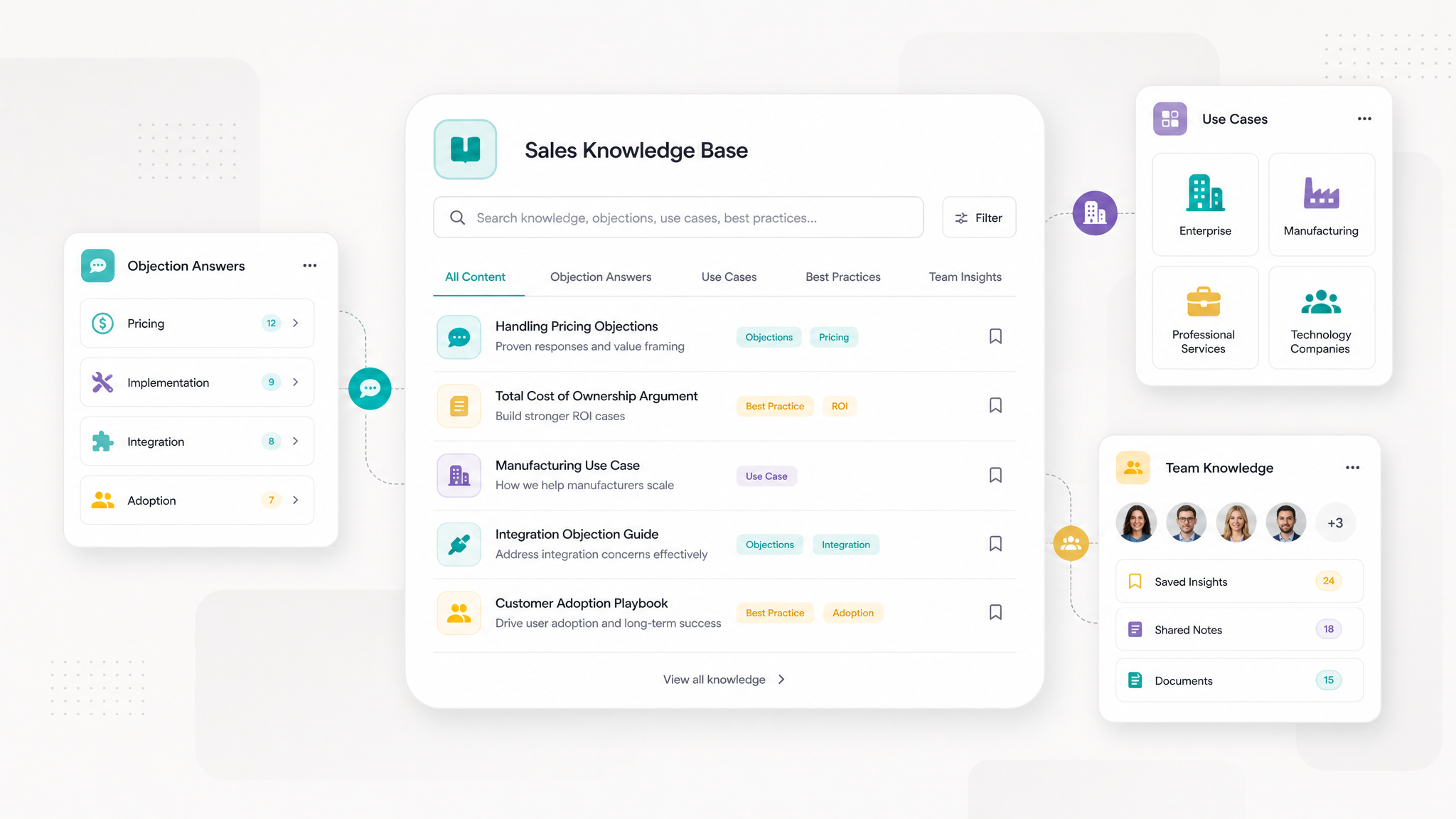
A sales knowledge base in CRM strengthens sales conversations by centralizing objection responses, use cases, success examples, and team experience. How does a sales knowledge base differ from a product catalog? Knowing...
Read More
Managing Decision Delays in B2B Sales: How to Interpret Waiting Reasons on the Customer Side?

Decision-delay management in B2B sales helps teams interpret more accurately the decisions that remain pending because of the customer’s internal approval, budget, technical assessment, or changing priorities. A decision...
Read More
Customer Touch Frequency Policy in CRM: How to Balance Excessive and Insufficient Contact?
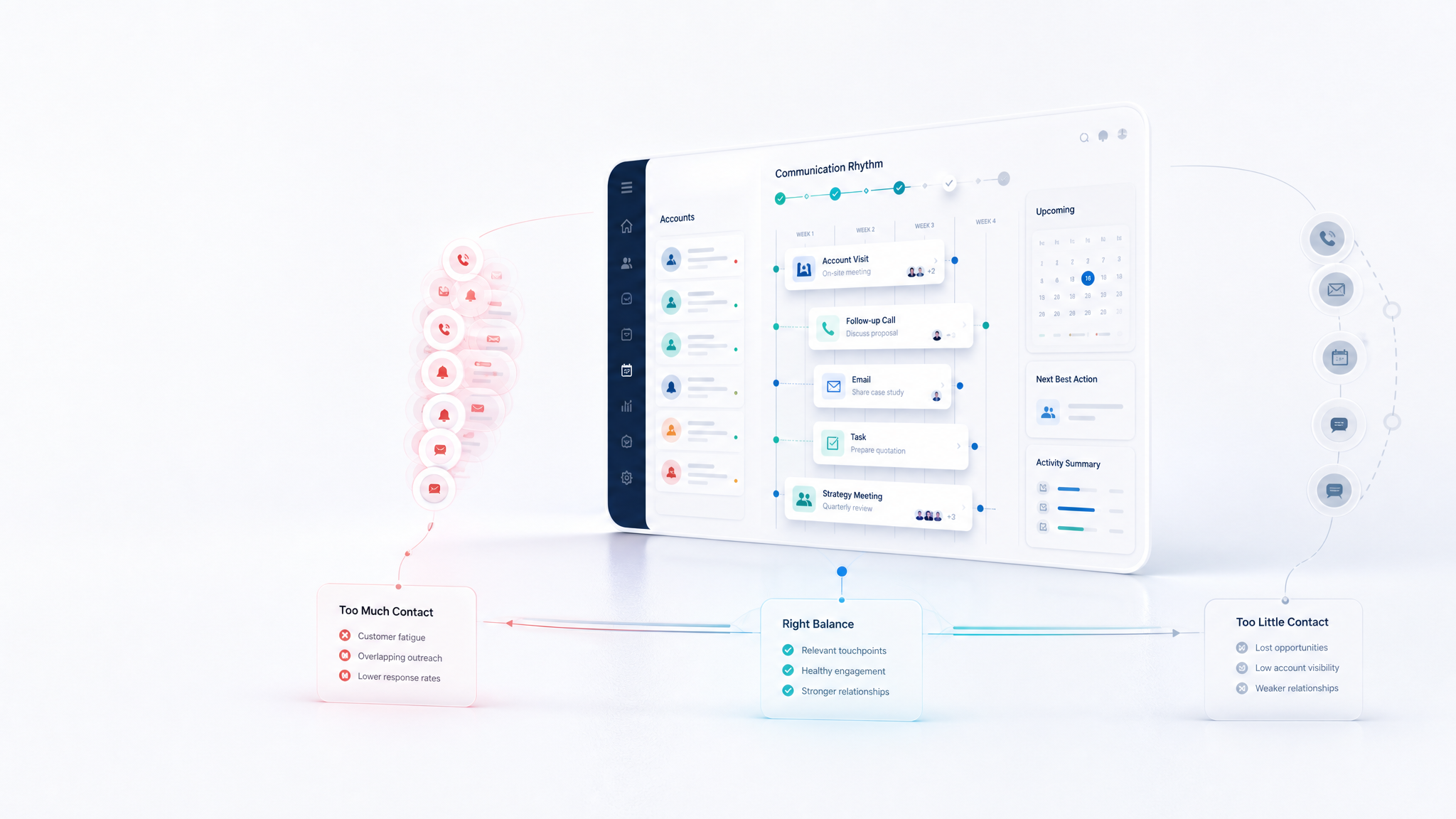
A customer touch frequency policy in CRM helps manage the customer communication rhythm more evenly in B2B relationships by avoiding contact that is either too frequent or too infrequent. What does customer touch frequen...
Read More
Internal SLA Management in CRM: How Can Response Times Between Sales, Technical, and Operations Teams Be Tracked?

Internal SLA management in CRM makes response times between sales, technical, and operations teams visible, helping customer requests progress in a more controlled way. What is an internal SLA, and what does it solve in...
Read More
Why Multi-Currency and Price List Management Matter in CRM
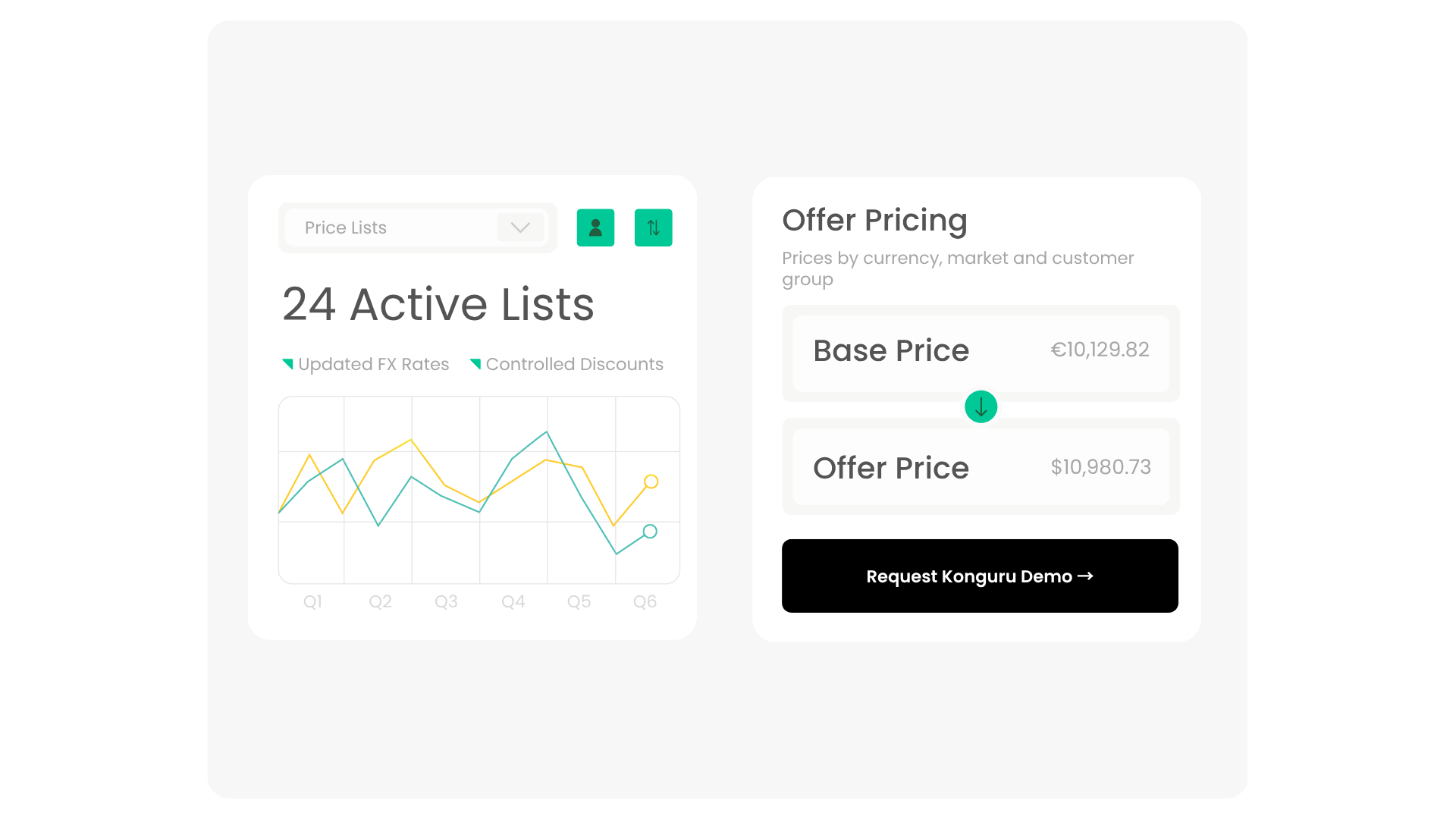
Multi-currency and price list management in CRM helps sales teams use pricing information more consistently across markets, customer groups, and offer processes. WHY DOES PRICING BECOME DIFFICULT ACROSS DIFFERENT MARKETS...
Read More
Activity Scoring in CRM: Creating Sales Priorities from Visits, Offers, and Tasks
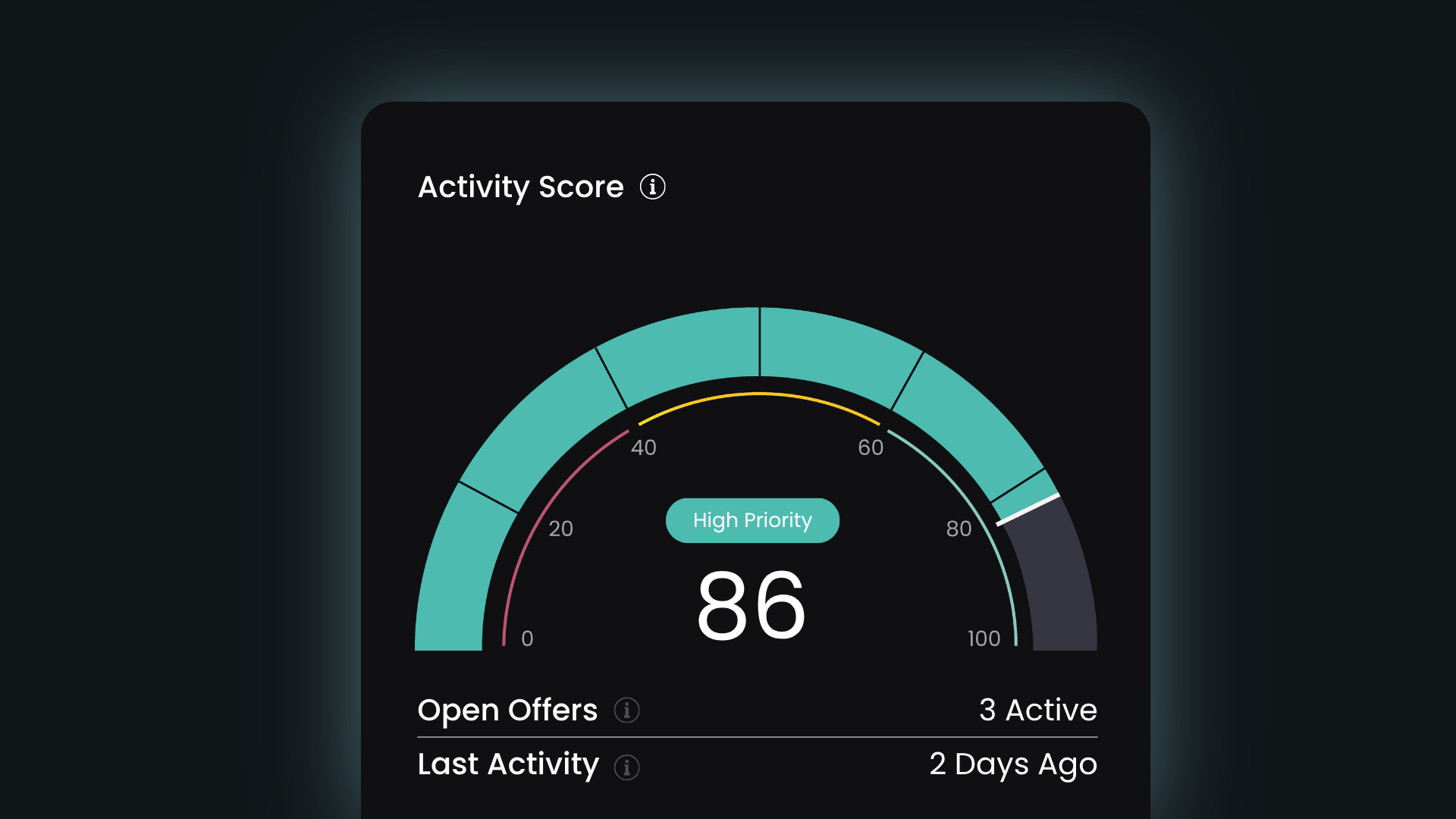
Activity scoring in CRM turns visits, offers, tasks, and customer interactions into sales priorities, helping teams see the health of the process before the final result appears. WHAT IS ACTIVITY SCORING? Sales performan...
Read More