


.svg)





How Can CRM Support Competency and Training Tracking in B2B Sales Teams?
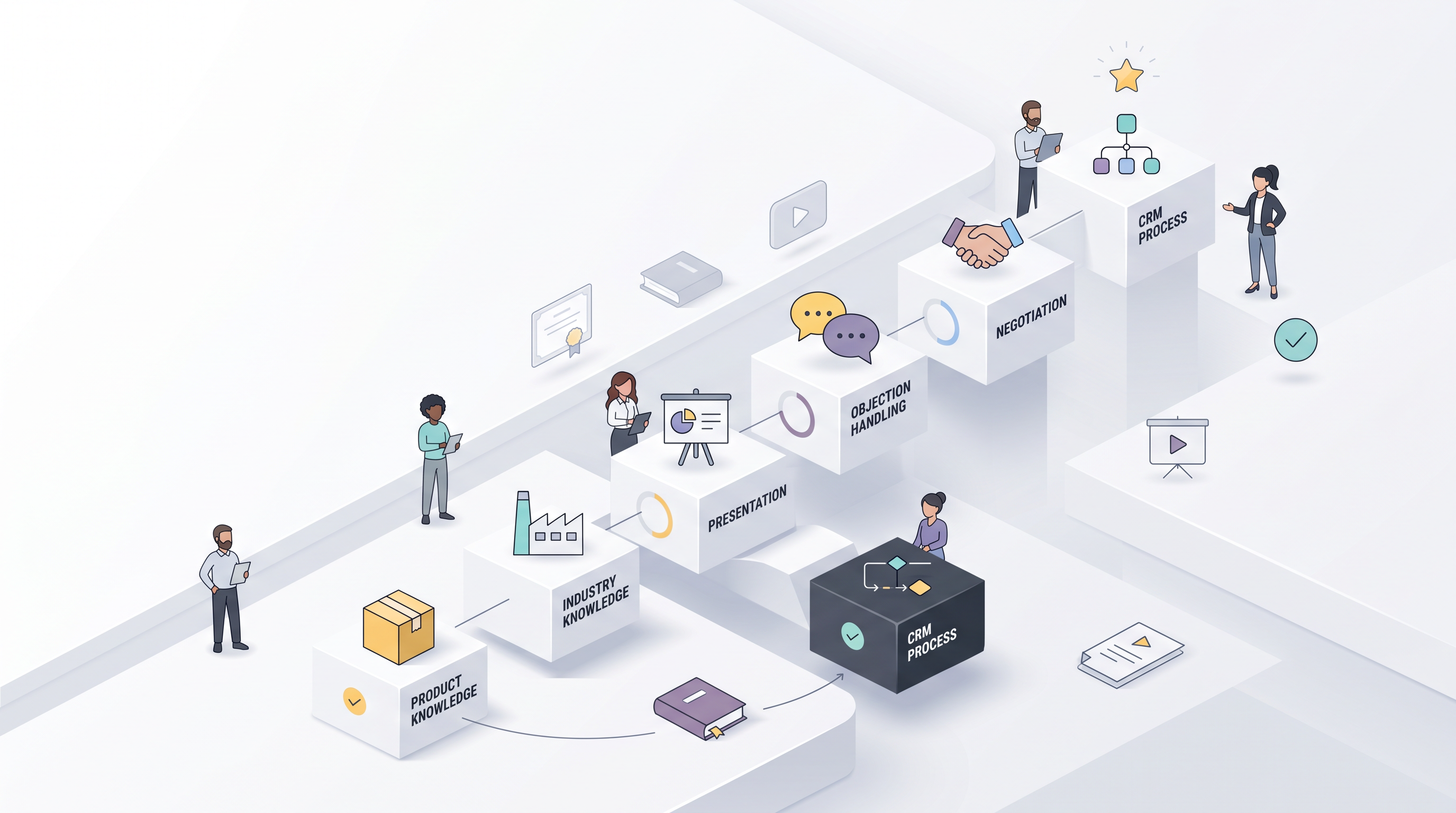
Competency and training tracking in B2B sales teams helps representatives develop their product knowledge, industry knowledge, and sales skills in a more structured way. Why can't sales performance be explained by activi...
Read More
Product Feedback and Feature Request Management in CRM: How Can a Healthy Flow from Sales to the Product Team Be Established?
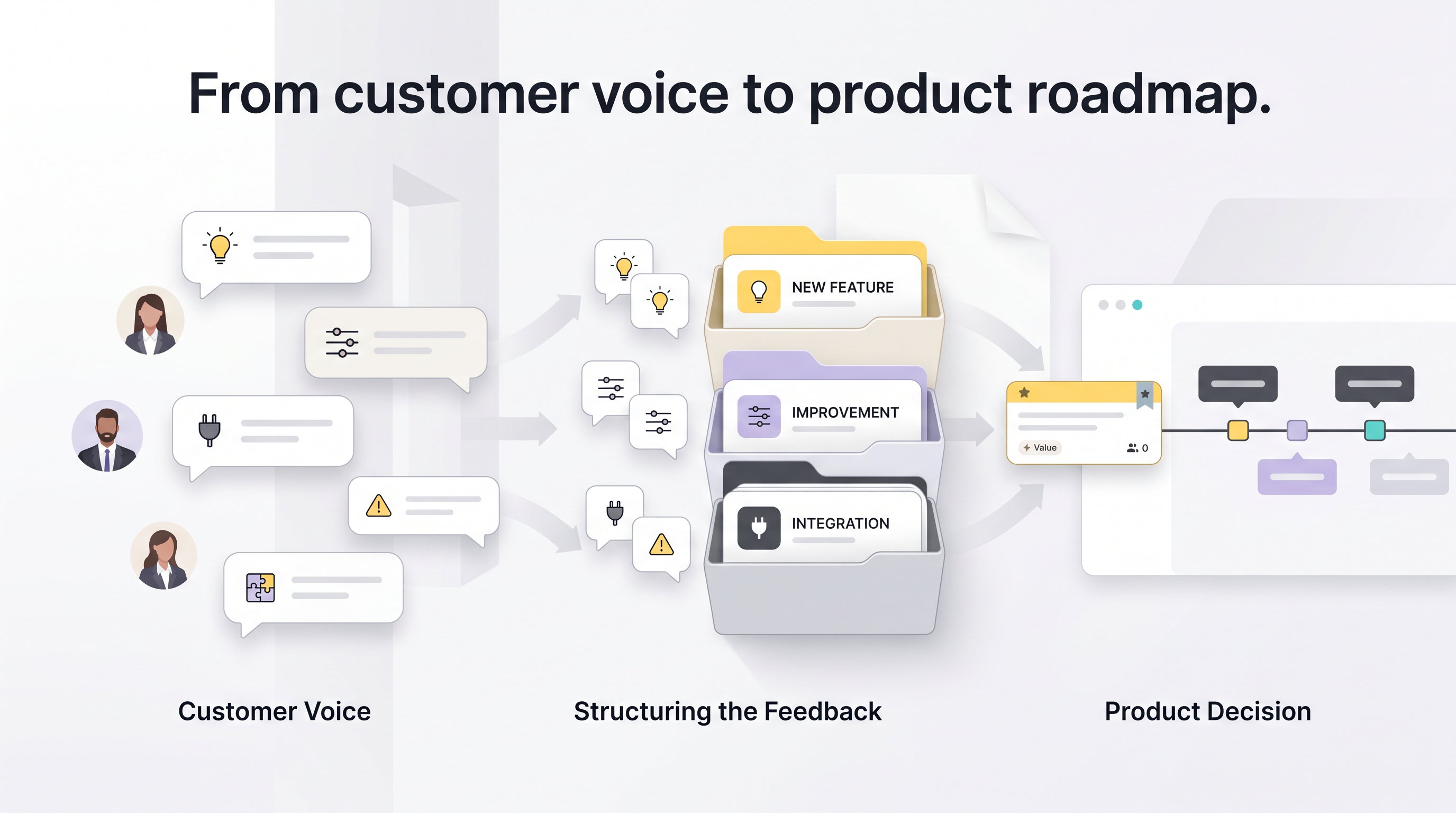
Product feedback and feature request management in CRM enables sales teams to relay customer needs from the field to product development teams in a more structured way. Why do product requests from the field get lost? In...
Read More
Large-List Experience in CRM: How Can Search, Filtering, and Record-Finding Efficiency Be Improved?
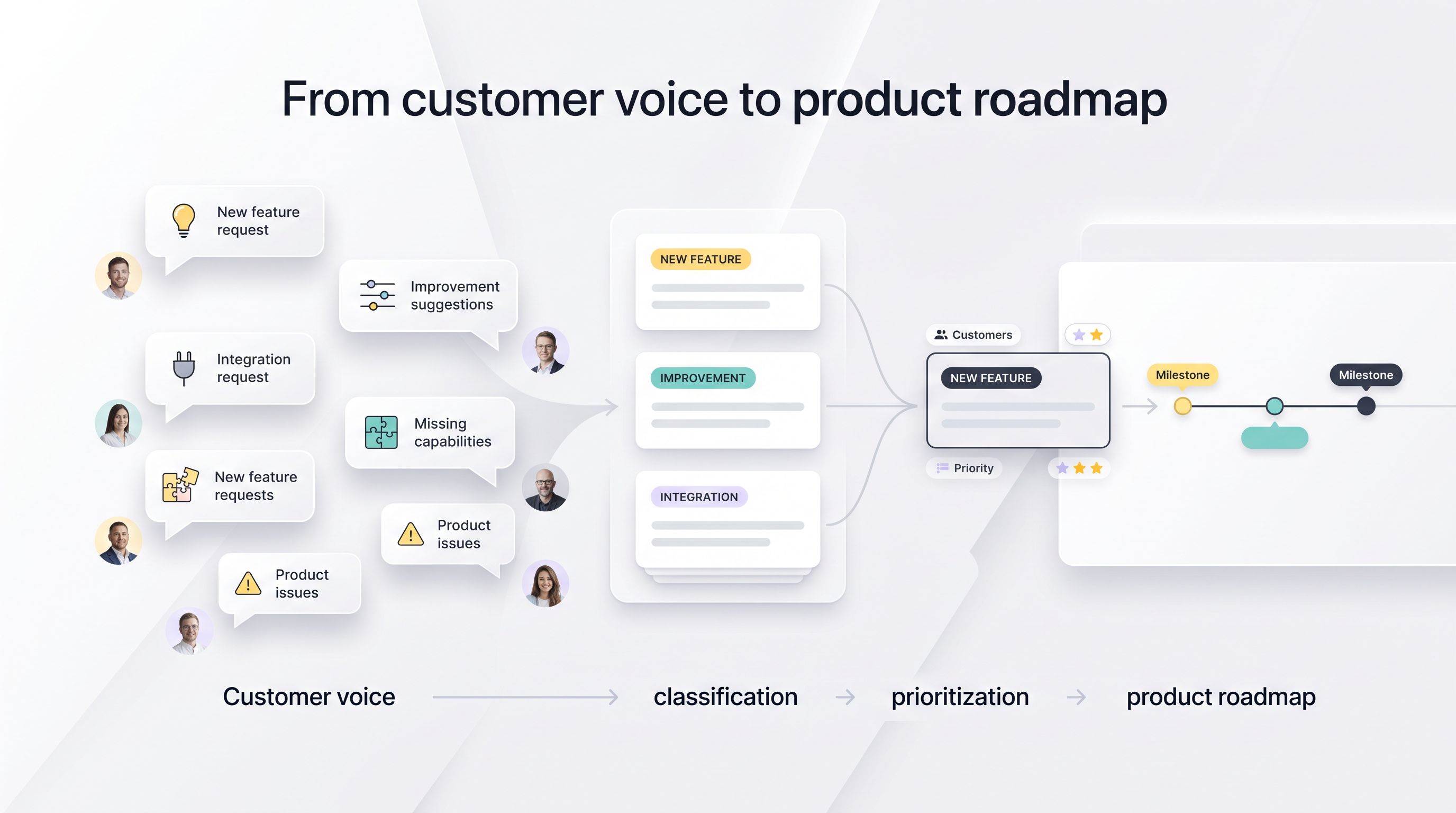
When search, filtering, and view design are configured correctly for large customer and opportunity lists in CRM, users can reach the right record more quickly. Why does CRM become harder to use as the number of records...
Read More
Low-Code Customization Management in CRM: How Can Fields, Screens, and Business Rules Be Developed in a Controlled Way?
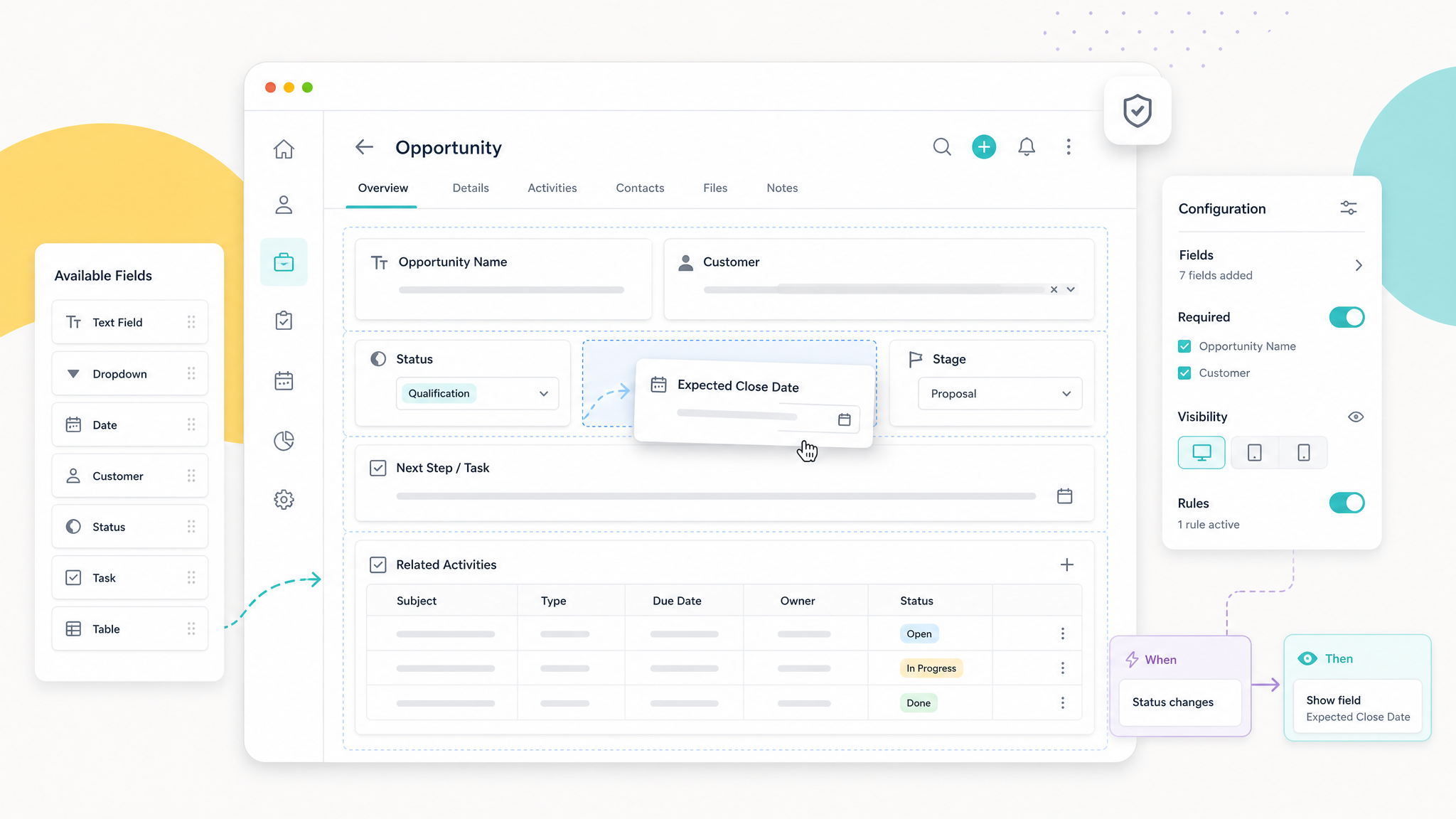
Low-code customization management in CRM helps companies adapt fields, screens, and business rules quickly while keeping system complexity under control. Is every customization truly necessary? One of the most common nee...
Read More
Notification Governance in CRM: How Can Alert Fatigue Be Prevented in Sales Teams?
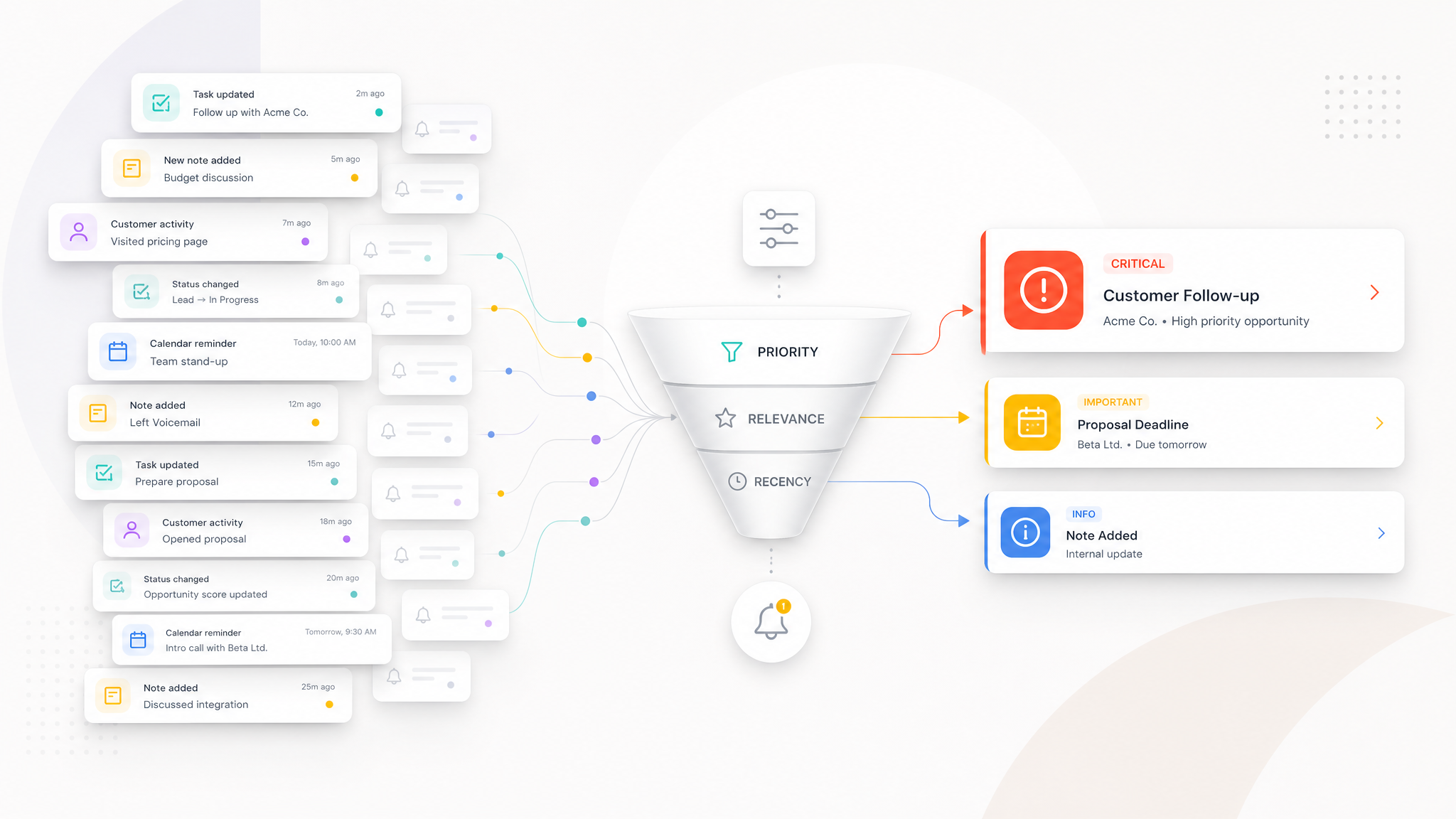
Notification governance in CRM enables sales teams to work without unnecessary alert clutter while ensuring that critical actions are not missed. Why does notification overload weaken follow-up discipline? CRM systems pl...
Read More
Customer Communication Preferences in CRM: How to Manage Channel, Frequency, and Relationship Tone?
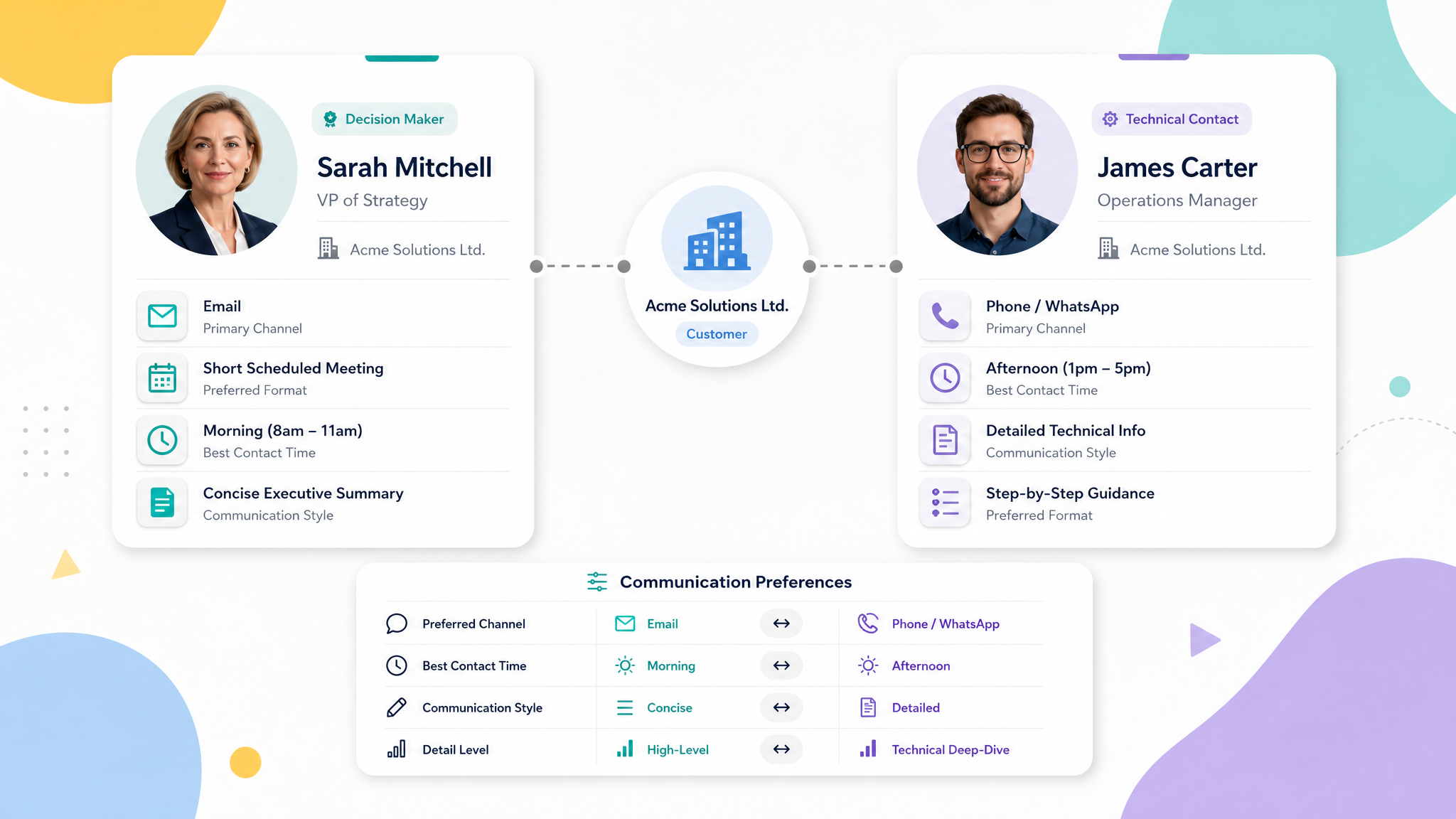
Customer communication preferences in CRM make information such as channel, contact frequency, suitable time, and relationship tone visible, enabling more appropriate customer communication. Why is a customer communicati...
Read More